Landscape vs Hardscape Planning: Which Option Best Improves Your Outdoor Space?
When planning to improve an outdoor space, people often encounter the decision between garden and hardscape planning. Each provides unique advantages, with garden design concentrating on organic features and hardscape emphasizing sturdy constructions. Understanding their distinct qualities and advantages is crucial. As homeowners weigh their choices, key considerations arise that could affect their choice. What elements should be emphasized to achieve a well-proportioned and functional exterior setting?

What Is Landscape Design? Benefits and Features?
Landscape design encompasses the art and science of planning outdoor spaces to improve their visual attractiveness and practicality. This field integrates elements such as plants, trees, flowers, and terrain to create balanced spaces that cater to human needs and environmental sustainability. A well-executed landscape design not only enhances the appearance of a property but also encourages biodiversity, aids in water management, and enhances air quality.
Core considerations of landscape design consist of functional zoning, where distinct areas serve specific purposes, and the use of form, color, and texture to establish visual interest. In addition, it promotes sustainability by adopting native plants and reducing resource consumption.
The advantages reach beyond appearance; effective landscape design can increase property value, encourage outdoor activities, and cultivate a community spirit. Overall, it transforms outdoor areas into functional, inviting spaces that enhance the quality of life for residents and visitors alike.
Understanding Hardscape Design: Key Elements?
Hardscape design comprises the non-plant components of outdoor spaces, such as patios, walkways, and retaining walls. Popular materials used in hardscaping feature stone, concrete, and brick, which offer durability and aesthetic appeal. The advantages of hardscaping consist of enhanced functionality, reduced soil erosion, and the creation of visually striking landscapes.
Characterizing Hardscape Materials
When considering landscape architecture, hardscape elements are vital to in shaping functional spaces. These elements include any non-plant materials that contribute to the functionality and design of an area. Common hardscape features encompass patios, walkways, retaining walls, and driveways, each fulfilling particular functions while enhancing the aesthetic appeal of the landscape. Hardscape design prioritizes strength and longevity, often incorporating geometric shapes and lines that complement organic forms. Additionally, hardscape elements facilitate water drainage and erosion prevention, rendering them essential for effective landscape maintenance. Strategically placing these components can create defined areas for relaxation, entertainment, or navigation, ultimately enhancing the overall functionality and visual harmony of outdoor environments.
Typical Materials Applied
Creating usable exterior areas depends significantly on the choice of suitable materials. Hardscape planning generally uses a variety of resilient substances to build features that enhance usability and aesthetics. Commonly utilized materials comprise concrete, which provides strength and versatility; natural stone, valued for its beauty and longevity; and brick, recognized for its classic appeal. Pavers are also favored, providing numerous design options for patios and walkways. Additionally, wood elements, like decking and pergolas, introduce warmth and texture while maintaining structural integrity. Metal features, such as railings and sculptures, can add modern flair. The thoughtful selection of materials is essential in creating cohesive and enduring hardscape elements that complement the overall landscape design.
Advantages of Hardscaping
Since many homeowners emphasize softscape elements like vegetation, the benefits of hardscaping cannot be overlooked. Hardscape design uses non-plant materials, including concrete, stone, and timber, to develop practical and visually appealing outdoor spaces. One key characteristic is durability; hardscape installations withstand environmental conditions more effectively than softscapes. Furthermore, hard landscaping improves home worth by providing built features including patios, walkways, and retaining walls that are both visually appealing and practical. It decreases upkeep demands, because hardscaped surfaces typically need minimal maintenance than planted areas. Moreover, hard landscaping can enhance drainage and reduce ground degradation, promoting a more robust outdoor setting overall. By way of strategic hardscaping planning, property owners can achieve a balanced and inviting exterior space.
Primary Standards to Judge When Determining Landscape or Hardscape
What aspects should one consider when choosing between landscape and hardscape design? First, the expected application of the outdoor space plays an essential role. If the goal is to build a recreational area for family gatherings, landscaping may be more ideal. Conversely, for functional pathways or patios, hardscaping delivers durability and structure.
Next, climate and soil conditions must be analyzed. Certain plants thrive in defined environments, while hardscape materials may weather local conditions better. Budget constraints also determine decisions; landscaping can incur ongoing preservation expenses, whereas hardscapes typically call for a higher initial investment but lower upkeep.
Design aesthetics are an essential aspect. Individuals must evaluate the degree to which each selection complements their property's style. Moreover, environmental impact and environmental responsibility ought to be examined. Installing native plantings or permeable hardscapes can boost sustainability. Considering all of these factors will lead property owners toward the best decision for their outdoor space.
Mixing Landscape and Hard surfaces
Integrating hardscape and landscape components involves careful consideration to create a cohesive design. By harmonizing organic components with corresponding materials, designers can enhance the design appeal. Additionally, prioritizing functional spaces ensures that the area serves both attractive and practical.
Harmonizing Organic Elements
Integrating natural elements in garden and structural design establishes a seamless connection between constructed features and the surrounding environment. Such integration enhances the overall look and functionality of outdoor spaces. Successful integration involves careful placement of hardscape components, such as patios and walkways, to complement the natural terrain and flora. Using curves instead of straight lines can replicate organic patterns found in nature, creating a more inviting ambiance. Additionally, incorporating natural materials, like stone or wood, can bridge the gap between hard and soft parts. Strategically located greenery, such as trees or shrubs, can soften hard edges, creating balance. Ultimately, this thoughtful blending promotes a cohesive and inviting outdoor environment, enriching both the aesthetic and functional benefits of the space.
Picking Matching Materials
Selecting the appropriate materials for landscape and constructed features is key to producing a cohesive outdoor design. A successful blend of natural get details on this and man-made materials improves visual appeal and functionality. For example, combining natural stone pathways with soft native plants produces a harmonious transition between hardscaped and landscaped zones. Also, choosing colors and textures that go well with each other can unify the overall look. Warm-toned bricks often pair well with subtle greens and browns in nearby flora, while cool-toned concrete can be offset with lively flower beds. Considering durability and maintenance is important; selecting weather-resistant materials ensures longevity. In the end, the careful mix of landscape and hardscape materials leads to an pleasant and well-planned outdoor space.
Establishing Practical Spaces
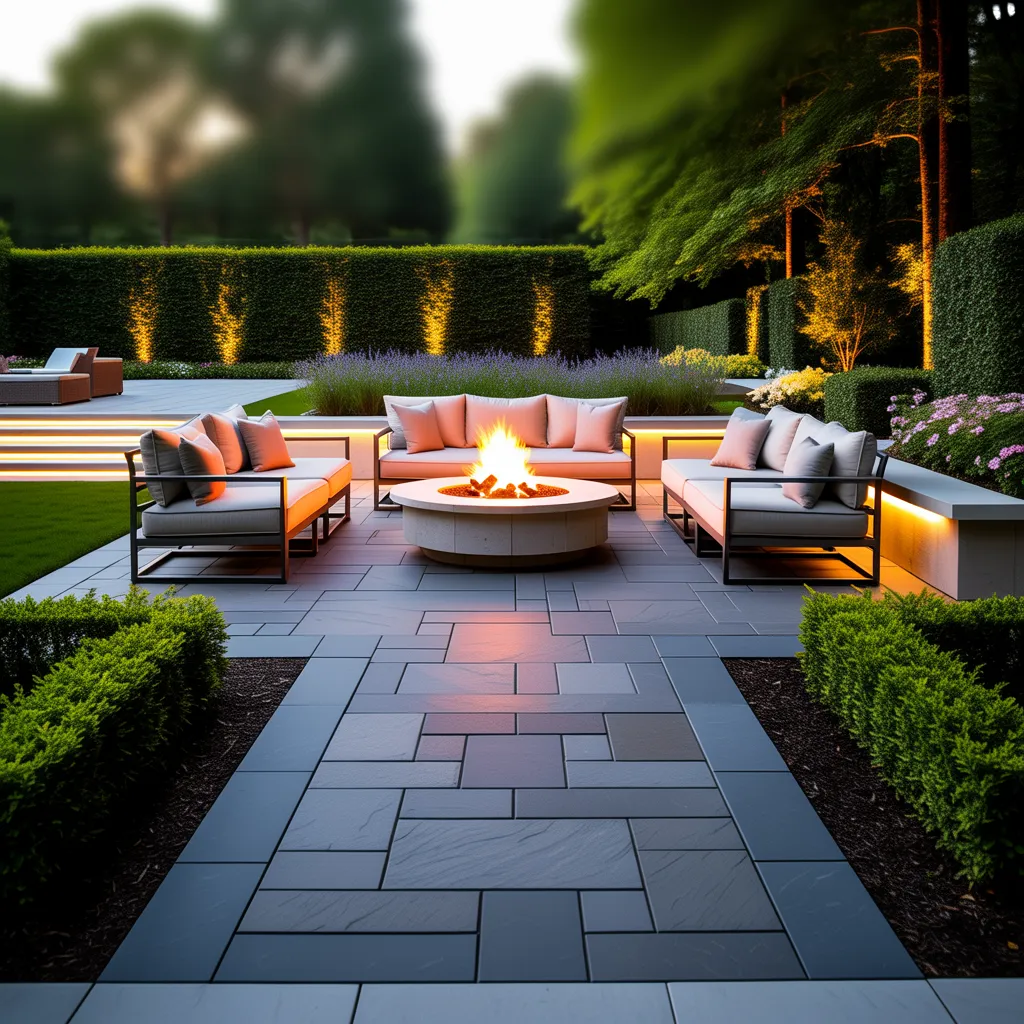
Designing practical areas in outdoor design necessitates a strategic blend of landscape and hardscape elements that cater to both beauty and function. Successful design commences with determining the objective of each area. For example, patios and walkways made from resilient materials work well with lush gardens while providing crucial walkways for movement. Introducing gathering spots surrounded by greenery fosters relaxation and social interaction. Additionally, employing elevated gardens can enhance the aesthetic charm while optimizing growing space. Lighting is vital, as it highlights both built elements and garden elements, ensuring protection and mood during twilight hours. By thoughtfully combining these elements, designers can craft cohesive environments that enhance outdoor living, promote convenience, and boost the overall experience of the space.
Price Evaluation: Landscape against Hardscape Construction
Both hardscape and landscape planning play critical functions in outdoor aesthetics, though their costs can vary considerably based on materials, labor, and design complexity. Landscape design, which generally includes plants, soil, and organic elements, can range from a few hundred to several thousand dollars, determined by the flora type and project scope. Plant maturity and seasonal conditions also impact pricing.
In comparison, hardscape design, encompassing structures like patios, walkways, and walls, usually entails higher upfront costs due to the supplies and labor involved. Stone, concrete, and wood are frequent materials, each with distinct price points. Installation is labor-intensive, often demanding professional knowledge, which further elevates costs.
In the final analysis, while landscape design may supply more immediate aesthetic appeal, hardscape additions generally deliver stability and long-term operational value, mandating deliberate fiscal assessment when executing an exterior undertaking.
Discovering the Appropriate Expert for Your Exterior Work
How can one find the appropriate professional for an exterior job? The approach starts with setting specific project goals, whether emphasizing landscaping design, hardscape elements, or a mix of both. Examining local professionals through internet reviews and suggestions gives insight into their expertise and past work. Potential clients should examine portfolios to guarantee alignment with their image.
Meeting with candidates is indispensable; asking about their design philosophy, experience, and project schedules helps evaluate compatibility. In addition, verifying qualifications, coverage options, and testimonials can further assure consistency and standards. Collecting competing estimates enables a comparative analysis of services and rates.
Finally, the significance of dialogue cannot be overstated. A professional who hears client needs and provides cooperative input can improve the project experience. Ultimately, identifying the right specialist involves a combination of research, evaluation, and transparent communication, ensuring a successful outcome for any outdoor project.
Questions Users Inquire Often
Weather patterns and Weather: How Should They Guide Your Outdoor area and Hardscape Choices?
Weather and climate greatly influence landscape and hardscape decisions. For instance, areas with significant rainfall may require drainage solutions, while hotter climates gain advantage from drought-tolerant vegetation and materials that withstand extreme temperatures and moisture variations.
Does Landscape and Hardscape Design Increase Property Value?
Yes, both landscape and hardscape design can greatly increase property value. Aesthetic appeal, functional outdoor spaces, and better street visibility contribute to higher market demand, making properties more desirable to potential buyers and investors.
What Maintenance Does Landscaping and Hardscaping Require Over Time?
Both hardscape and landscape require regular upkeep. Planted areas need regular watering, pruning, and fertilization, while paved surfaces necessitate sweeping, sealant application, and maintenance to prevent wear. Maintaining each assures lasting quality and visual charm in outdoor spaces.
Are sustainable choices obtainable for landscape and hardscape implementation?
Sustainable solutions can be found in both landscape and hardscape design. Native plants, permeable paving, and recycled materials encourage eco-friendliness, while water-efficient irrigation systems boost environmental protection, developing sustainable outdoor spaces that favor both nature and aesthetics.
How Can I Incorporate Personal Style Into My Outdoor Design?
Adding personal style to outdoor design requires picking colors, materials, and features that demonstrate individual tastes. Unique furnishings, carefully selected plants, and artistic elements can form a cohesive space that highlights your distinctive style and taste.